

Marine Heat Exchangers – Built for the Sea
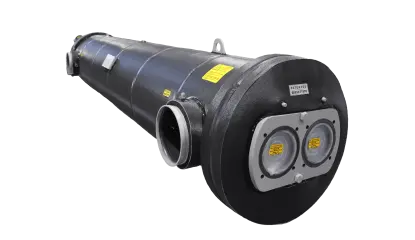
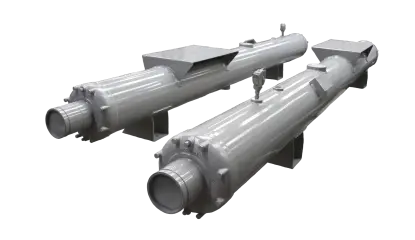
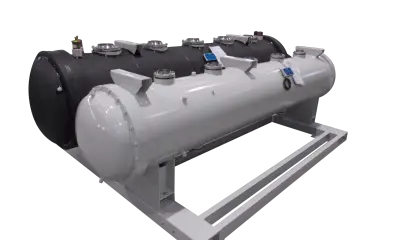
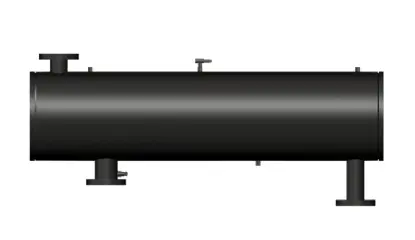
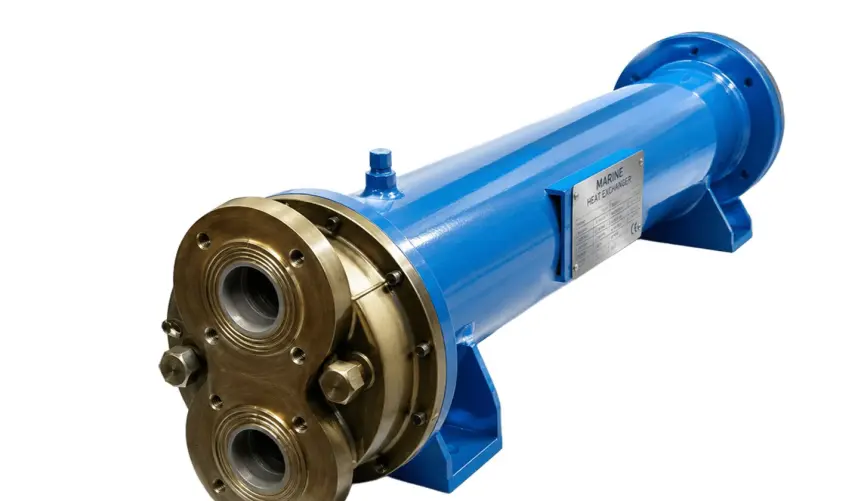
Marine heat exchangers operate under continuous seawater exposure, requiring corrosion-resistant materials and a design suited to the vessel type and operating route. We design and manufacture shell and tube heat exchangers for cruise and passenger ships, luxury yachts, cargo and commercial vessels, naval and defence applications, fishing vessels, offshore installations, chemical industry use, and industrial heat pump systems.
Tubes, tube sheets, water boxes, and shell components are independently configurable and combined to match the required corrosion resistance, thermal performance, and maintenance profile. Alloys are drawn and processed in-house, providing traceability from raw material to the finished exchanger. Each unit is sized using in-house thermal simulation software, with thermal margin, fouling resistance, and flow-induced vibration analysis applied as standard.
- High thermal efficiency
- Marine-engineered design
- Low maintenance requirements
- High corrosion resistance through application-specific material selection
- Multi-material configurations
- In-house thermal design and simulation
- Compliance with major international marine classification societies
- Engineering, manufacturing and service support from one source
Marine heat exchangers are designed, manufactured, and tested in compliance with major international marine classification societies and pressure vessel codes. All units undergo Factory Acceptance Testing, including hydrostatic pressure testing, mechanical stress testing, and leak detection, with customized quality control available on request.
Material and Configuration Options
Every component – exchange tubes, tube sheets, water boxes, shell and baffles – is independently configurable to match the vessel type, water quality, and maintenance profile. Alloys are drawn and processed in-house, providing traceability from raw material to the finished heat exchanger.
| Component | Material / Design Options |
| Exchange Tubes | CuNi 90/10 (corrugated, high-performance, or smooth, low-fouling), CuNi 70/30, titanium, stainless steel |
| Tube Sheets | Stainless steel, CuNi 70/30, CuNi 90/10, titanium – full or cladded |
| Water Boxes | AISI 316L, CuNi 90/10, marine-grade bronze; optional rubber or ceramic lining, sacrificial zinc anodes |
| Shell & Baffles | Carbon steel or AISI 316L; segmental or swaged baffles for vibration control |
| Tube-to-Tubesheet Joint | Mechanical expansion, orbital TIG welding (full penetration), or expansion with seal weld |
Thermal Design and Simulation
Wieland uses in-house simulation software covering shell and tube, brazed plate and air-cooled heat exchanger configurations. Each heat exchanger is sized using first-principles thermodynamics. Thermal margin, fouling resistance and flow-induced vibration analysis are included as standard elements of the thermal design process.
Engineering and Quality Assurance
Surface treatment, coating, and testing follow a defined process across every unit.
- Surface preparation by abrasive blasting for coating adhesion
- Two-component epoxy coating systems, tested per NF EN ISO 9227, with confirmed resistance of 500 to 700 hours of continuous neutral salt spray exposure; custom RAL colors on request
- Factory Acceptance Testing on all units: pneumatic pressure testing, mechanical stress testing, and leak detection; customized quality control available on request
- Tube passivation service for CuNi 90/10 and CuNi 70/30 tubes, applied before commissioning to reduce early-service corrosion risk
Typical Applications
Wieland marine heat exchangers are designed to perform across different vessel categories and operating profiles – from tropical ocean routes to demanding offshore and cold-water environments.
- Cruise and passenger ships
- Luxury yachts
- Cargo and commercial vessels
- Chemical industries
- Naval and defence
- Fishing vessels
- Offshore
- Industrial heat pumps